


 TL;DR:
To resolve a forgotten iTunes encrypted backup password without losing personal files, Mac users should first attempt to retrieve the stored password via Keychain Access, while other users must use the iPhone's "Reset All Settings" feature to establish a new password for future backups.
● Resetting your iOS settings safely preserves personal data but deletes system preferences like Wi-Fi configurations and requires your device passcode to execute.
● You cannot unlock or restore an existing encrypted backup without the original password; the device reset method only permits you to overwrite previous backups and create a completely new backup with a fresh password.
● Choosing to restore via an iCloud backup or performing a factory reset through iTunes will bypass the forgotten password but strictly requires a complete wipe of all current device data first.
Ask AI for a summary
 ChatGPT
 Perplexity
 Gemini
 Claude
 Grok
Grok
Forgot iTunes Backup Password? Here Are 4 Proven Fixes!
Forgot your iTunes encrypted backup password? You’re not alone. In this guide, we cover four practical methods to reset or recover your password, helping you regain access to your iTunes backup without losing data.

Part 1: What does the iTunes backup password do?
It’s all about understanding the concept of encrypted backups so that you can also have password protection. As the name suggests, a password protects a particular file or folder from any unauthorized person. The feature Encrypt Backup is available in both iTunes and Finder to encode information. The data contained in encrypted backups is comparatively more and essential than unencrypted files.
It also contains information as follows.
- • Wi-Fi Settings
- • Saved Passwords
- • Health Data
- • Website History
- • Call History
However, they won’t contain your Touch ID, Face ID, and device passcode.
Well, backup encryption does not activate by default. You have to turn on Encrypt Backup option in iTunes or Finder for the first time only. After that, all your backups will automatically encrypt. On the other hand, if you opt for iCloud to have a backup, it will routinely encrypt all data every time.



Part 2: How to solve ‘iTunes could not restore the iPhone because the password was incorrect’?
“Why does iTunes say my password is incorrect?”
You may also have encountered this problem once in your lifetime. Even though you haven’t created a backup password, a message may sometimes pop up, saying that iTunes could not restore the iPhone because the password was incorrect.
No matter you try several possible passwords, it won’t help you in any way except the four solutions given below.
Try them out one by one and have your query fixed in no time.
Method 1: Reset All Settings on iPhone (No Data Loss)
⚠️ This method won’t erase your personal content, but all system settings (like Wi-Fi, Bluetooth, wallpapers, etc.) will be reset. Best for users who want to remove the iTunes backup password without erasing personal data.
If you forgot the iTunes backup password, make sure to consider some essential facts beforehand. First of all, it is not possible at all to restore encrypted backup folder. You must have a password for it to happen. However, you can reset all settings and make a new password, after all.
Follow the steps given below to reset the iTunes backup password.
Step 1: Click Settings on your iOS device
First, click on Settings on your iOS device and then General> Reset.

Step 2: Go for Reset option
Now, you can go to Reset All Settings and confirm with the security passcode. Then, your phone will automatically go through the resetting process and set it to default preference settings. You can also remove the previous backup password without worrying about erasing any other apps or data.

Step 3: Connect the iOS device.
Connect your iPhone with PC via USB cable. Consider the small iOS icon given in the below figure. Simply click it.

Step 4: Encrypt new backup password
Go to Summary Page and select The Computer. Set a new password after tapping Encrypt Local Backup. Tap the Backup Now button and wait for iTunes to set your new password.
So, you don't need to change or enter a password every time. It's just that you are required to set up a new password every time you forget it. Well, it's a kind of inconvenience also that you can't recover a forgotten password.
Pros: Preserves personal data; easy to run on-device.
Cons: Requires access to Settings and passcode; you'll need to reconfigure settings afterward.
Method 2: Restore from iCloud Backup
Use iCloud for recovery if you already have iCloud’s backup.
Step 1: Turn the device on and check for Hello Screen. You should erase or remove all the contents if you have set up your iPhone already.
Step 2: Select Apps & Data> Restore from iCloud Backup.
Step 3: Sign in to Apple ID and select Backup. Also, make sure that the Wi-Fi connection is on while the restoration process.

So, these are possible solutions for forgot iTunes backup password restoration.
Pros: No need for encrypted password; restores all data.
Cons: Requires factory reset; relies on available iCloud backup.
Method 3: Retrieve Password via Mac Keychain
Step 1: Open Mac and select Application> Utilities> Keychain Access.
Step 2: Put your iPhone in the search box and check for iPhone's backup.
Step 3: Double-click and tick the Show Password option. Then, enter the keychain password. Finally, your iPhone backup password will appear.

Pros: No reset or data loss; quick.
Cons: Only works on macOS and if the password has been stored.
Method 4: Factory Reset & Restore via iTunes (Totally Erase Data)
⚠️ This method deletes all data, including apps, settings, and personal files. Make sure to back up your data before proceeding. Recommended only if all else fails and you can’t recover the original password.
Restore factory device settings after removing all settings and contents. The method can effectively fix the error and also any other potential bug.
Steps to reset iTunes backup password factory settings
Step 1: Make a backup first on your iTunes.
Step 2: Go to Settings> General> Reset and Reset all Content and Settings. Enter the password if prompted.

Step 3: Select the Erase button on warning pop-ups and ask the phone screen for confirmation.
Step 4: Connect iPhone with PC, open iTunes, and select Restore Backup, as shown in the image below.

Pros: Ensures fresh install and unlocks backup.
Cons: Full data wipe unless prior backup; time-consuming.
Comparison at a Glance
| Method | Data Loss | Requires Mac | Ease |
|---|---|---|---|
| Reset All Settings | No | No | Medium |
| Restore from iCloud | Yes (erase first) | No | Medium |
| Keychain Access | No | Yes | Easy |
| Factory Reset & Restore | Yes (must backup beforehand) | No | Hard |
Bonus: How to Restore from iTunes Backup File?
Have you ever backed up phone data to iTunes but have no idea about how to extract data from the iTunes backup? Don't worry. You're able to use MobileTrans and retrieve data from iTunes backups, such as contacts, messages, photos, etc.


You can look at the following instruction to restore from the iTunes backup file:
Step 1. Launch MobileTrans and open the “Backup & Restore > iTunes” module on the computer.
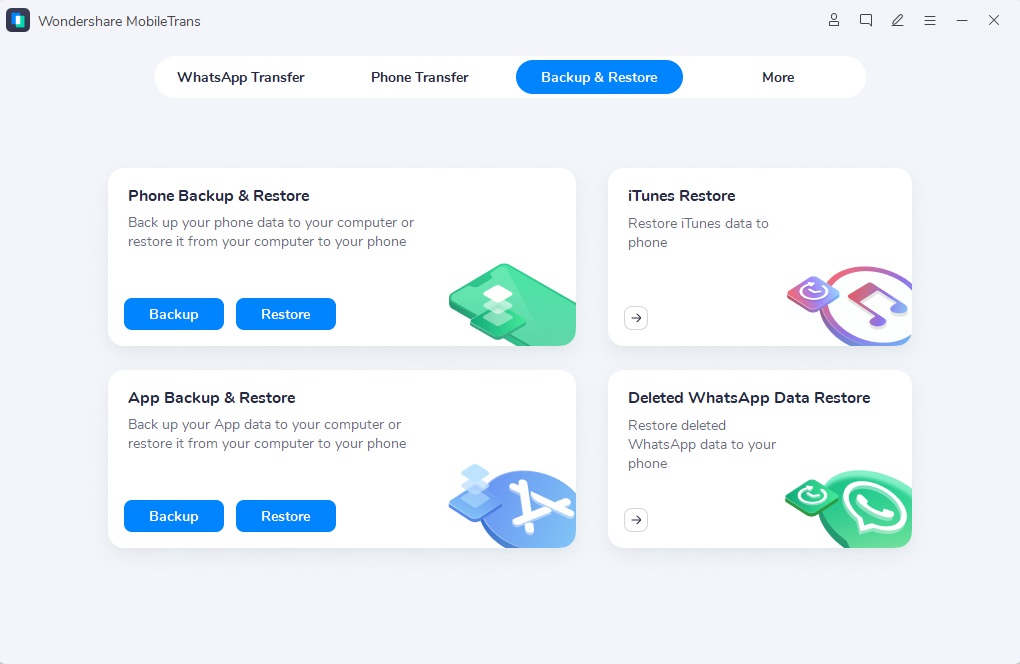
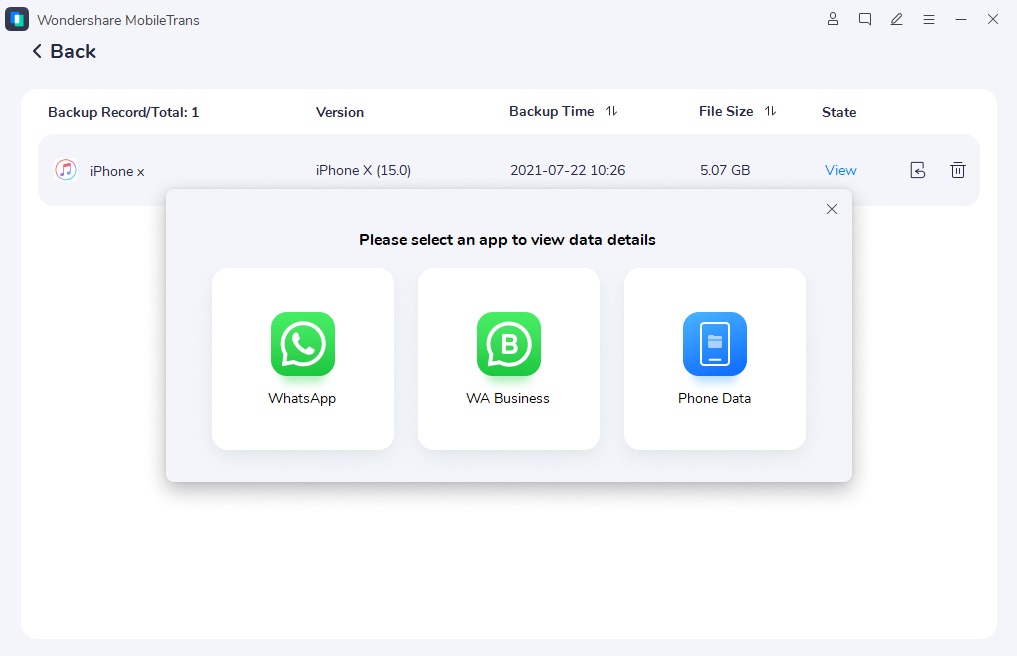
Step 2. Select from Backup records and connect your phone to a computer.
Connect your smartphone to computer. Click on the backup file from iPhone on MobileTrans, then choose "Phone Data".
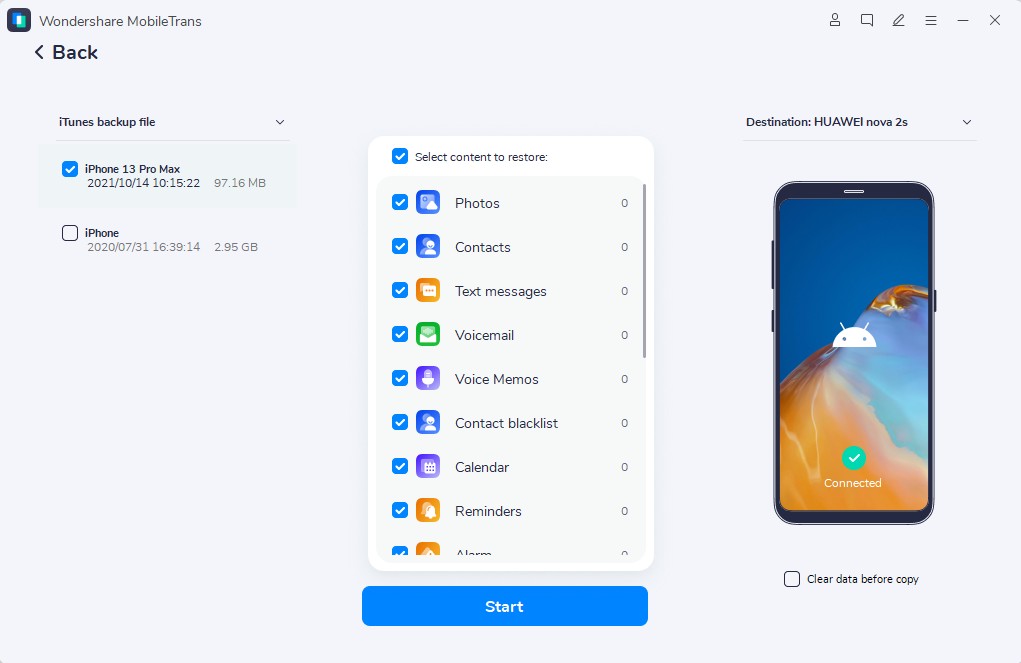
Step 3. Restore data from iTunes backup to iPhone/Android device
Select the iTunes backup on the left list and select the file types you want to restore. Click on the "Start" button.
Pro Tip: How to encrypt your backups?
To get iTunes encrypted backup password, follow the simple steps given below.
Step 1: Open iTunes
The first step is to open iTunes if you have a Mac Operating system Mojave 10.14 or its earlier version. On the other hand, you should launch Finder in the case of the Mac operating system Catalina 10.15.
Step 2: Connect iPhone with PC
Now, connect the device with a computer via USB cable. Then, locate the widget on your PC or laptop.
Step 3: Start Encryption
Right from the Summary tab or General tab, choose Encrypt Local Backup option under the Backups section.

Step 4: Create Password
Make a password when asked in the window. Create a b but that you can remember easily. You can also store it somewhere safe to remember.
After the creation of the password, all your previous backups automatically overwrite and get encrypted. Make sure the process of encryption gets complete successfully.
- • Open Finder and tap the General tab. Then, select Manage Backups. A list of backups will then get displayed. On the other hand, if you have Mac operating system Mojave 10.14 or its earlier version, go to the Menu bar on top and select the Edit> Preferences> Devices tab.
- • You will also see a lock icon next to the device's name with the timestamp and date on which the Backup got created.

- • Confirm OK and close the backup panel.
So, this is how iTunes encrypted backup gets created. Given above are some quick and straightforward steps to do so.
Conclusion
To wrap up, first of all, we would like to advise you to save your passwords after creation carefully.
Start with Method 3 if you’re on a Mac—it's safest and easiest. If not, use Method 1 to clear the old password without losing data. Resort to iCloud or a full reset only if needed.
New Trendings

Top Stories
All Categories









Axel Nash
chief Editor