How to Choose Phone Transfer Software for a Mobile Repair Shop
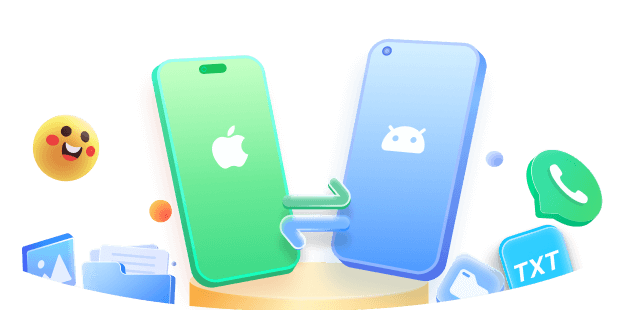
The best phone transfer software for a mobile repair shop should support iPhone-to-Android and Android-to-Android transfers, preserve contacts, messages, photos, and messaging data, work with multiple brands, and protect customer privacy. Reliable software should also provide transfer reports, clear error messages, selective data transfer, and compatibility with current Windows and macOS versions.
Steps to Choose Phone Transfer Software
- Check device compatibility. Confirm support for iPhone, Samsung, Google Pixel, Xiaomi, OnePlus, Huawei, and other frequently serviced brands. Verify compatibility with current iOS and Android versions.
- Review supported data types. Select software that transfers contacts, call history, text messages, calendars, photos, videos, music, documents, and supported app data. App data may require separate backup or sign-in procedures.
- Test transfer directions. An effective iPhone to Android data transfer app should support both iPhone-to-Android and Android-to-iPhone transfers. Android-to-Android support is also important for routine repair-shop work.
- Evaluate privacy and workflow controls. Look for local processing, secure device detection, selective transfer, customer data removal, and clear status reports. Avoid software that uploads customer content without explicit authorization.
- Test difficult cases before purchase. Check locked screens, encrypted backups, damaged charging ports, large photo libraries, mixed operating-system versions, and devices with limited storage. A trial transfer can reveal compatibility problems.
| Option | Best For | Limitation |
|---|---|---|
| Direct device transfer | Fast phone replacement | Requires working connection ports |
| Computer-based transfer | Repair-shop batch work | Needs compatible desktop software |
| Cloud backup and restore | Devices with damaged ports | Requires stable internet and account access |
| Manufacturer tools | Same-brand transfers | Limited cross-platform support |
Common Issues and Fixes
- Some contacts are missing: Contacts may be stored in an online account rather than device storage. Export account contacts or enable account synchronization before transfer.
- Messages fail to transfer: Encryption, unsupported formats, or incomplete permissions may block messages. Use an approved backup method and grant full device access.
- Photos appear in the wrong order: Different systems may use separate creation and modification dates. Preserve original metadata where supported and verify albums manually.
- The transfer stops midway: Low storage, weak cables, or screen-lock settings can interrupt the process. Free storage, use certified cables, and keep both screens active.
- The iPhone-to-Android transfer is incomplete: Some proprietary app data cannot move between platforms. Transfer compatible files separately and reinstall apps from the Android store.
Quick Tips
- Use separate customer profiles or folders to prevent data mixing between repair jobs.
- Record device models, operating-system versions, and transfer results for troubleshooting.
- Charge both phones before large transfers and avoid unstable USB hubs.
- Obtain customer authorization before accessing private messages, photos, or account backups.
Related Questions
Which app is best to transfer data from iPhone to Android?
The best option depends on supported data types, device compatibility, privacy controls, and transfer reliability. Manufacturer tools work well for limited cases, while cross-platform phone transfer software generally handles more device combinations.
Can repair-shop software transfer WhatsApp data?
Some tools support WhatsApp migration, but support depends on operating-system versions, backup formats, and account conditions. Verify current compatibility before promising complete WhatsApp transfer.
💡Protip:
MobileTrans can be considered when a repair shop needs cross-platform transfer, backup, restore, and device-management functions in one workflow.