How to Transfer Data Between Phones Wirelessly
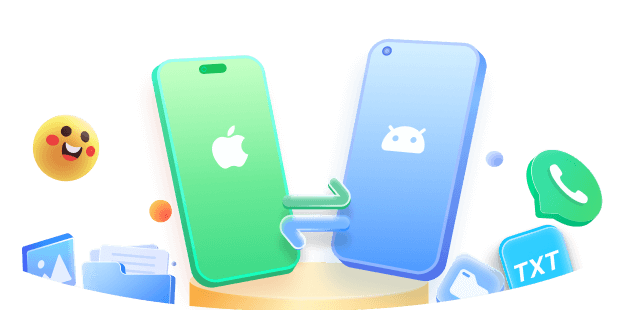
Transfer data between phones wirelessly by using AirDrop for iPhone-to-iPhone transfers, Quick Share for Android-to-Android transfers, or a cross-platform transfer app for iPhone and Android devices. Select the required files or categories, connect both phones to the same wireless network when required, and keep both devices nearby until transfer completion.
Steps
- Prepare both phones. Charge both devices, enable Wi-Fi and Bluetooth, and install pending system updates. Remove unnecessary files if storage space is limited.
- Select a transfer method. Use AirDrop for Apple devices, Quick Share for Android devices, or a cross-platform tool for mixed-device transfers.
- Connect the phones. Open the sharing or transfer feature on the sending phone, select the receiving phone, and approve the connection on both screens.
- Choose content. Select photos, videos, contacts, documents, or other supported files. Confirm the transfer and keep both phones unlocked.
- Verify transferred data. Open the destination gallery, contacts app, file manager, or messaging app to confirm successful delivery before deleting source files.
Common Issues and Fixes
- The receiving phone does not appear: Wi-Fi, Bluetooth, visibility settings, or device proximity may be preventing detection. Enable required connections, set sharing visibility to contacts or everyone, and place both phones within a few feet.
- Transfer speed is slow: Large videos, weak Wi-Fi, background downloads, or network congestion can reduce speed. Pause other network activity and use a stable private network.
- iPhone-to-Android transfer fails: AirDrop does not support direct Android transfers. Use a cross-platform transfer method or move files through cloud storage or a computer.
- Some data does not transfer: App databases, protected media, call history, and certain messaging records may use platform-specific formats. Transfer supported files separately and use official migration tools for app data.
- The transfer stops midway: Low battery, insufficient storage, screen-lock settings, or interrupted connectivity can stop the process. Charge both phones, free storage, keep screens active, and restart the transfer.
Quick Tips
- Wireless phone-to-phone transfer usually preserves photos, videos, contacts, and documents, but application logins and encrypted chat histories may require separate migration.
- Transfer files from Android to iPhone wirelessly only through compatible cross-platform methods; Android-only sharing features cannot send content directly to iOS.
- Transfer large media collections in smaller batches to reduce failures and simplify verification.
- Avoid public Wi-Fi for private files. A direct device connection or trusted home network provides better privacy and stability.
Related Questions
Can data transfer wirelessly from iPhone to Android?
Yes. Transfer from iPhone to Android wirelessly through a compatible cross-platform transfer tool, cloud storage, or an official device migration process. AirDrop alone cannot complete the transfer.
Which wireless method works best for large phone transfers?
A direct transfer tool generally handles large collections more efficiently than Bluetooth or cloud storage. MobileTrans may help organize broader device-to-device transfers when standard sharing features do not support required data categories.
💡Protip:
Create a backup before transferring important data, especially contacts, messaging records, and high-resolution media.