How to Transfer Data from iPhone to Android Without Losing Quality
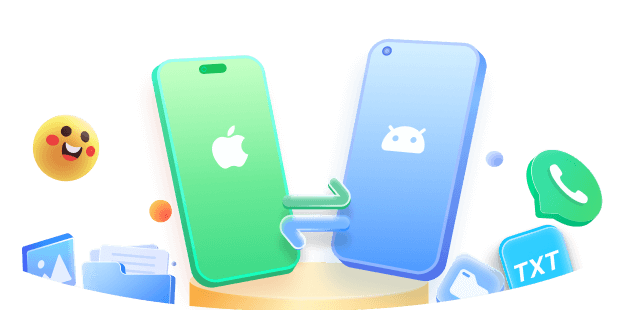
Transfer data from iPhone to Android without losing quality by using a direct cable connection for large transfers or a wireless service configured for original quality. Cable transfer preserves full-resolution photos, videos, contacts, and documents with fewer compatibility problems. Wireless transfer can preserve file quality, but cloud storage and format settings require careful checking.
Steps
- Prepare both phones. Charge both devices, update the operating systems, and confirm enough free storage on the Android phone. Create a backup of important iPhone data before starting.
- Use a cable for large transfers. Connect the iPhone and Android phone with a USB-C-to-Lightning cable or a suitable adapter. Unlock the iPhone, approve the trust request, and select the Android transfer or copy option when prompted.
- Transfer wirelessly when required. For wireless transfer from iPhone to Android, use a local Wi-Fi transfer tool or cloud storage. Select original quality, full resolution, or uncompressed file settings before uploading photos and videos.
- Transfer accounts and app data separately. Contacts, calendars, notes, and chat histories may require account synchronization or an official migration process. Standard photo transfer does not always include app data.
- Verify the result. Compare file counts, file sizes, video duration, photo resolution, and folder locations. Keep the iPhone data until all important files open correctly on Android.
Common Issues and Fixes
- Photos appear compressed: A storage-saving setting or social media app reduced the file quality. Re-transfer files using original-quality or uncompressed settings.
- HEIC photos do not open: Android compatibility may be limited. Keep the original HEIC files and install a compatible viewer, or create separate JPEG copies.
- Live Photos lose movement: Live Photo data may transfer as separate images and videos. Export both components when motion preservation is required.
- Contacts are missing: Contacts stored only on the iPhone may not sync automatically. Export contacts or enable account synchronization before transfer.
- Transfer stops midway: Low battery, insufficient storage, unstable Wi-Fi, or a damaged cable can interrupt the process. Charge both phones, clear storage, and reconnect with a reliable cable or network.
Quick Tips
- Avoid messaging apps for transferring photos because automatic compression can reduce resolution.
- Original-quality cloud uploads may require additional storage and a stable Wi-Fi connection.
- Preserve file metadata by transferring the original files instead of screenshots or edited copies.
- WhatsApp chats and media usually require the official chat migration process rather than standard file copying.
Related Questions
What is the fastest way to transfer files between iPhone and Android?
A direct cable connection is usually the fastest method for large photo, video, and document libraries. Wireless transfer is more convenient for smaller batches but depends on network speed and cloud upload time.
Can photos transfer from iPhone to Android wirelessly without losing quality?
Yes. Wireless photo transfer can preserve full quality when original-resolution or uncompressed settings are enabled. Live Photos, edits, and metadata may still require separate verification.
💡Protip:
A device-transfer utility such as MobileTrans can help organize mixed data transfers when cable-based migration is preferred.