How to Transfer Large Files Between Phones
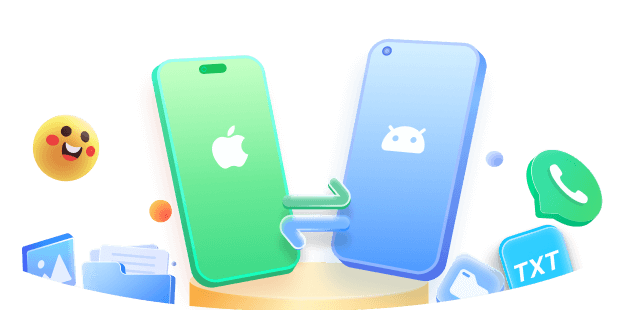
For transferring large files between phones, a direct USB-C cable connection is usually the fastest and most reliable method. Android-to-Android transfers work best with a compatible data cable and built-in device migration tools. iPhone-to-Android transfers may require a USB-C cable, an adapter, or a computer as an intermediate device.
Steps
- Connect both phones with a data-capable USB cable. Charging-only cables cannot transfer files. USB 3.0 or faster cables reduce transfer time for videos, photo libraries, and archives.
- Unlock both phones and approve access requests. Select File Transfer, Android Auto, or the relevant migration option when prompted. Keep both screens active during setup.
- Choose the required files or categories. Select videos, photos, documents, music, or complete device data. Avoid selecting unnecessary files when storage space is limited.
- Start the transfer and keep both phones connected. Do not disconnect either device until the transfer confirmation appears. Large transfers can take several minutes or longer.
- Verify transferred files. Open several large videos, documents, and photos on the destination phone. Check file counts before deleting original copies.
Common Issues and Fixes
- The phones are not detected: The cable may support charging only, or a USB permission request may be unanswered. Replace the cable and approve every connection prompt.
- Transfer speed is slow: A wireless connection, USB 2.0 cable, low battery mode, or background apps may reduce speed. Use a high-speed cable, connect both phones to power, and close unnecessary apps.
- The transfer stops midway: Insufficient storage, overheating, or an unstable connection may interrupt the process. Free storage, cool the devices, and restart the transfer in smaller batches.
- iPhone files cannot open on Android: The file format may not be supported. Convert HEIC photos, use compatible video formats, or transfer original files through a computer.
- Large files fail to copy: FAT32 storage cannot hold individual files larger than 4 GB. Use internal storage or an exFAT-formatted drive when supported.
Quick Tips
- Direct cable transfer is generally faster than Bluetooth, cloud storage, or messaging apps.
- Wireless transfer works without a cable but depends on network speed and device compatibility.
- Cloud services may compress media, require free storage, and take longer for large libraries.
- Keep the source phone charged and disable automatic screen locking during extended transfers.
Related Questions
What is the fastest way to transfer data between Android phones?
A direct USB-C cable with the built-in phone migration tool is usually the fastest option. A local Wi-Fi transfer is a practical alternative when compatible cables are unavailable.
What is the fastest way to transfer files between iPhone and Android?
A direct cable connection is usually fastest for supported data. A computer can act as an intermediary when file formats, adapters, or device permissions prevent direct transfer.
💡Protip:
MobileTrans can assist with structured phone-to-phone transfers when built-in migration tools do not support the required devices or data types.