How to Transfer Large Videos from iPhone to Android Without Compression
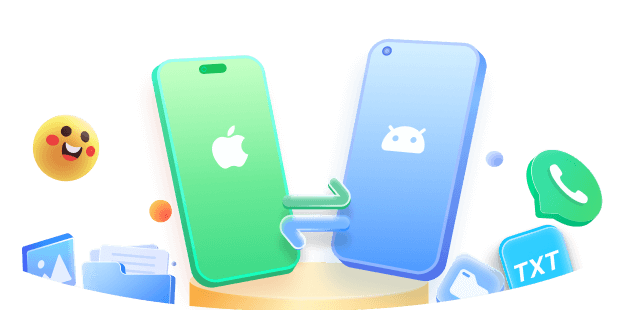
The most reliable way to transfer large videos from iPhone to Android without compression is a direct cable transfer through a computer or a device-transfer app that preserves original files. Wireless transfer also works when the selected service sends original-quality files instead of optimized or compressed copies.
Steps
- Connect the iPhone to a computer with a compatible USB cable. Unlock the iPhone and approve the trust prompt.
- Open the iPhone storage and locate videos in the DCIM folder. Videos saved in the Files app may require Finder or Apple Devices for export.
- Copy the original video files to a computer folder without editing or converting the files.
- Connect the Android device with a USB cable, select File Transfer, and copy the videos to the Movies or DCIM folder.
- Open the Android gallery or file manager and confirm the original resolution, duration, and file size.
Common Issues and Fixes
- Video does not appear in DCIM: The video may be stored in the Files app or a third-party app. Export the file to computer storage before transferring.
- Transfer stops during copying: Insufficient storage, a damaged cable, or a locked device can interrupt large files. Free storage, replace the cable, and keep both devices unlocked.
- Video quality looks lower: Cloud sharing or messaging apps may optimize media. Select original quality or use direct file copying.
- Android cannot play the video: The iPhone may use HEVC or HDR, which some Android players handle poorly. Use an Android player with HEVC support or convert a copy after preserving the original.
- Wireless transfer fails: Different networks, VPNs, or background restrictions can block discovery. Place both devices on the same Wi-Fi network and disable temporary network restrictions.
Quick Tips
- Use a wired method for multi-gigabyte videos because USB transfer is usually faster and more stable than Wi-Fi.
- Avoid sending large videos through messaging apps because automatic compression commonly reduces resolution and bitrate.
- Check available Android storage before starting. A video transfer requires space for the complete original file.
- Keep the original iPhone files until playback and file-size checks finish on Android.
- iCloud or Google Drive can preserve original quality when the original file is uploaded and downloaded without optimization, but download speed depends on internet bandwidth.
Related Questions
How do I transfer files from my iPhone to my Android device?
Use a USB cable and computer for the most consistent results. Wireless transfer services can also send original files when both devices share a stable Wi-Fi network.
What is the fastest way to transfer files between iPhone and Android?
A direct wired connection is usually fastest for large video collections. For smaller batches, transfer from iPhone to Android wirelessly can be more convenient.
💡Protip:
A device-transfer utility such as MobileTrans can help move large media files while retaining original file quality when compatible devices and transfer modes are used.