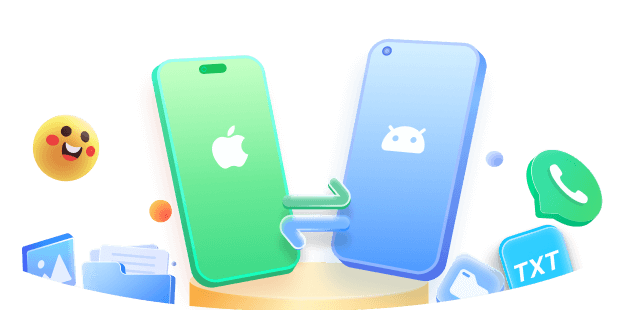
How to Transfer Data from iPhone to Android with the Built-In Tool
A native iPhone to Android transfer works during Android setup with a USB-C-to-Lightning cable or Google’s Switch to Android app. The built-in process can copy contacts, photos, videos, calendars, messages, and selected apps. iPhone settings must also disable iMessage and FaceTime to prevent missing text messages after the transfer.
Steps
- Prepare both phones. Charge the iPhone and Android phone, connect both devices to Wi-Fi, and update the Android phone if required. Keep the iPhone unlocked during setup.
- Start Android setup. Turn on the Android phone and select the option to copy apps and data from an iPhone. Choose a cable transfer when a compatible USB-C-to-Lightning cable is available.
- Connect and approve access. Connect both phones, unlock the iPhone, and tap Trust if prompted. Select contacts, photos, videos, messages, calendars, and other supported data for copying.
- Use the wireless option when needed. Install Google’s Switch to Android app on the iPhone if the Android setup screen offers wireless transfer. Follow the pairing instructions and keep both phones near each other.
- Change iPhone messaging settings. Open Settings > Messages and turn off iMessage. Open Settings > FaceTime and turn off FaceTime before removing the SIM card or activating the same number on Android.
🤔Note:
Disable iMessage and FaceTime before removing the SIM card or activating the same phone number on Android. This helps prevent text messages from continuing to route through Apple’s services.
Common Issues and Fixes
- Messages do not arrive on Android: iMessage remains active on Apple’s servers. Disable iMessage and FaceTime before switching, then deregister the phone number from iMessage if needed.
- Cable transfer does not start: The cable may support charging but not data. Use a certified data cable, unlock the iPhone, and accept the Trust prompt.
- Photos are missing: Photos may exist only in iCloud or use an unsupported format. Download original photos from iCloud first, or enable compatible photo transfer during Android setup.
- WhatsApp history does not appear: WhatsApp transfer requires the same phone number, updated apps, and a supported Android version. Follow the WhatsApp transfer prompt during setup.
- Some apps cannot transfer: iOS and Android use different app versions. Free Android equivalents may install, while paid iPhone apps and app data may require separate recovery.
Quick Tips
- Keep both phones connected to power during a large native iPhone to Android transfer.
- Disable VPN services temporarily if wireless pairing fails.
- Do not erase the iPhone until contacts, photos, messages, and important files are verified on Android.
- Banking apps, passwords, Apple Keychain data, and some game saves usually require separate sign-in or export steps.
💡Protip:
Verify contacts, photos, messages, and important files on Android before erasing or resetting the iPhone.
Related Questions
Does the iPhone have a built-in Android transfer tool?
The iPhone does not include a dedicated Android migration tool. Native iPhone to Android transfer normally begins from the receiving Android phone through cable setup or the Switch to Android app.
Which iPhone settings help before transferring to Android?
Turn off iMessage and FaceTime, download important iCloud-only files, and confirm that contacts are synchronized or exported before starting the transfer.