
 TL;DR:
For full gallery setups on a new Android device, MobileTrans provides the most reliable transfer, while Nearby Share is the ideal built-in option for quickly sending photos wirelessly between nearby phones.
● Samsung users can utilize Quick Share for fast offline sharing exclusively between Galaxy devices, or use Smart Switch to migrate entire device data, though Smart Switch faces compatibility issues if the receiving phone is not a Samsung.
● Google Photos enables cross-device restoration without cables, provided both devices are signed into the same account and have an active internet connection with sufficient cloud storage.
● Standard Bluetooth transfers should be avoided for batches larger than 20 photos due to slow speeds; Wi-Fi Direct methods or PC-based tools are necessary to handle large libraries efficiently.
Ask AI for a summary
 ChatGPT
 Perplexity
 Gemini
 Claude
 Grok
Grok
Ever felt stuck trying to figure out how to transfer photos from one Android device to another? You're not alone. Whether you're upgrading to a shiny new Android phone, or simply need to transfer photos from one phone to another, moving your gallery can feel like a daunting task. While our guide focuses on Android-to-Android transfers, these principles are also helpful for any user moving from an old phone to a new one.
In this article

Which Method is Best for You? A Quick Comparison
Here's a comparison table to help you quickly understand the key features of each method, especially whether they support wireless transfer:
| Method | Wireless Transfer | Pros | Cons |
| MobileTrans | No (Wired connection for PC transfer, Wireless for App transfer) | Fast transfer speed, supports various file types, no factory reset. | Limited free features, requires software installation. |
| Bluetooth | Yes | No additional software needed, straightforward. | Slow transfer speed, limited range. |
| Nearby Share | Yes | Fast and convenient, works offline, secure. | Requires Nearby Share support on both devices, devices need to be close. |
| Google Photos | Yes | Free storage with a Google account, easy backup and restore. | Requires internet connection, limited free storage. |
| Smart Switch | Yes (Wireless & Wired) | User-friendly, wireless or direct phone-to-phone transfer, transfers various data types. | Works best with Samsung devices, potential compatibility issues, wireless transfer consumes battery. |
| Quick Share | Yes | Uses Wi-Fi Direct (faster than Bluetooth), works offline, built into Samsung devices. | Works only between Samsung devices, devices must be nearby. |
Method 1: How to transfer photos from Android to Android with MobileTrans
Some users may wonder if there is AirDrop for Android. The answer is no. But there are AirDrop alternatives for Android users. The MobileTrans App is one of them.
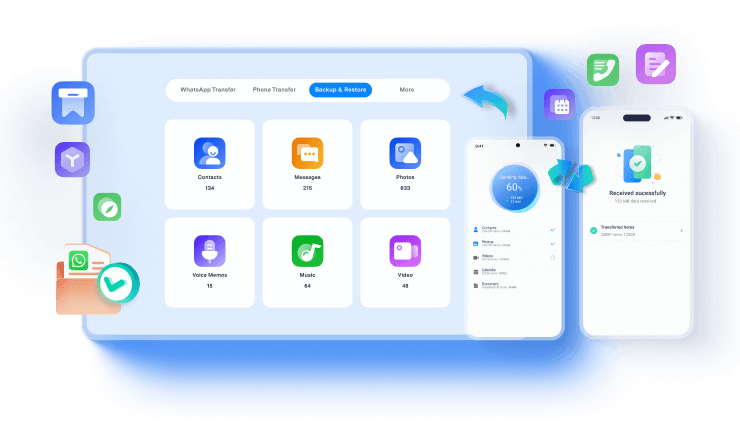
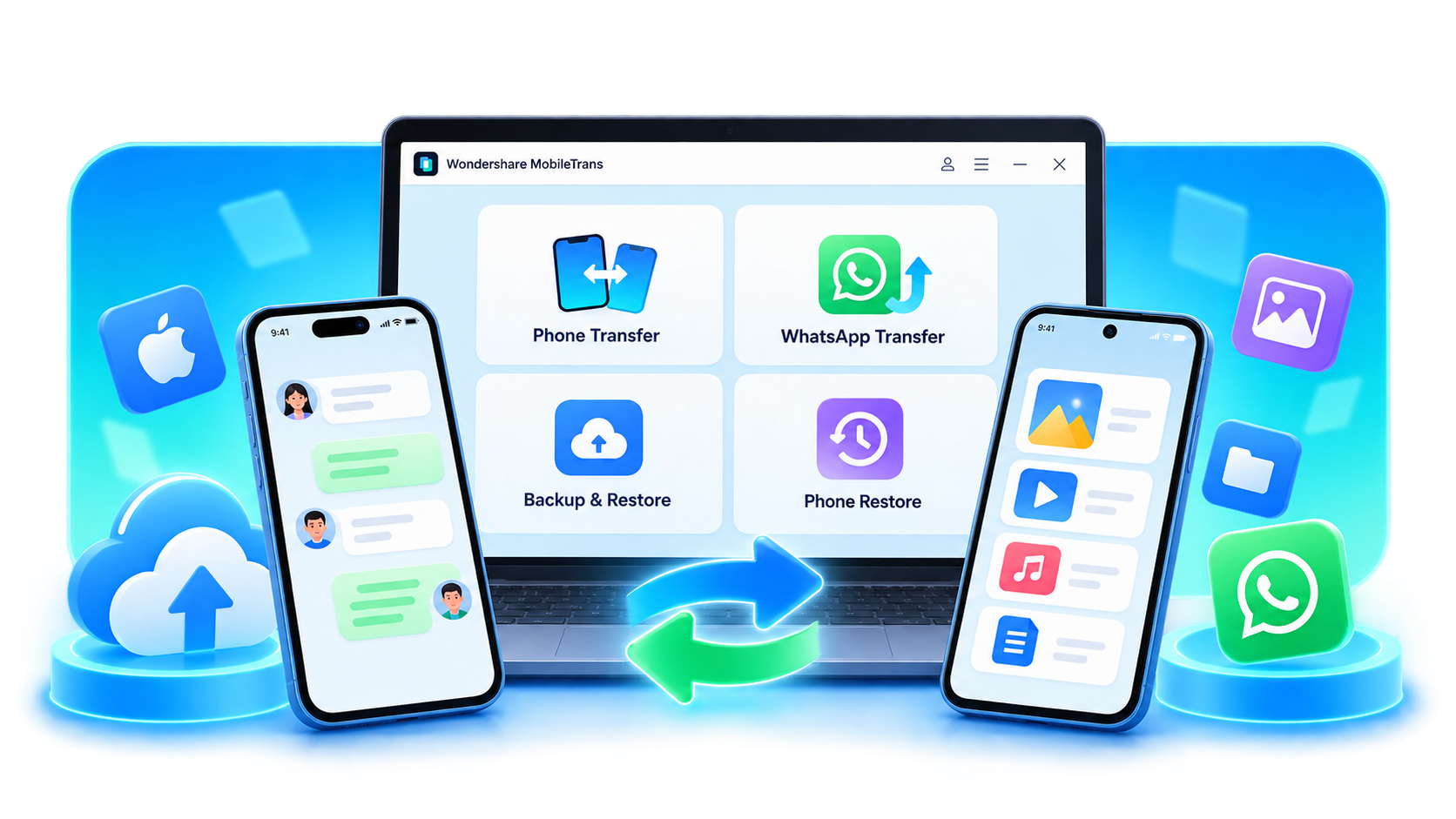
MobileTrans is a versatile and powerful tool designed for transferring data between devices. It supports various file types, including photos, contacts, messages, and more. This method is particularly useful if you have a large number of photos to transfer and prefer a wired connection for faster and more reliable data transfer.
With its user-friendly interface, MobileTrans simplifies the process, making it accessible even for those who are not tech-savvy.
Here are four reasons to choose MobileTrans for transferring photos from Android to Android:
Beyond Photos: Transferring Your Entire Gallery Structure
A key advantage of tools like MobileTrans is their ability to transfer not just the photo files, but your entire gallery structure, including albums and folders. This means your carefully organized albums on your old phone will appear intact on your new device, saving you hours of re-sorting. This is crucial for users who want to transfer their complete 'gallery' experience, not just loose pictures.
- Speed: MobileTrans offers fast transfer speeds, making it ideal for transferring large photo libraries quickly and efficiently.
- Versatility: It supports a wide range of file types, including photos, videos, contacts, messages, and more, making it a versatile tool for all your data transfer needs.
- Ease of Use: With its user-friendly interface, MobileTrans is easy to navigate, even for those who aren't tech-savvy. The steps are simple and straightforward.
- Reliability: MobileTrans provides a secure and stable transfer process, reducing the risk of data loss or corruption during the transfer.


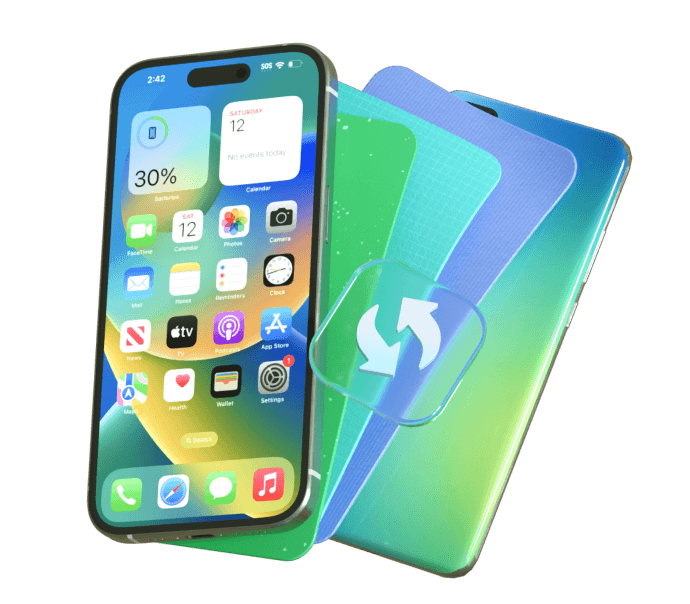


With it, you can transfer all types of data, including photos, videos, contacts, messages, call logs, and more. No cellular data usage required. It is also compatible with all Android devices.
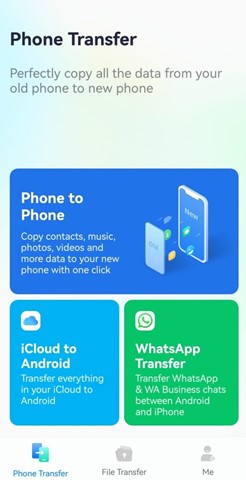
Step 1: Download the MobileTrans App on your phone and tap "Phone to Phone".
Step 2: Choose the transfer direction.
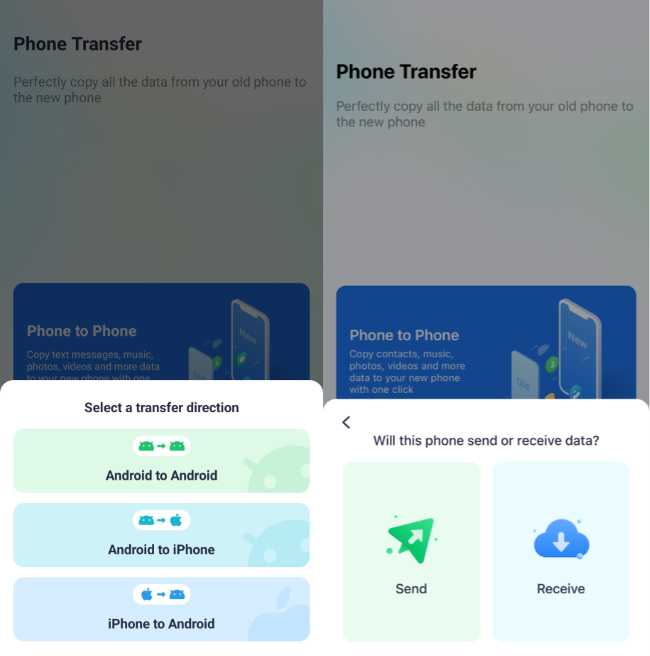
Step 3: Select the data you need to transfer and scan the QR code to transfer.
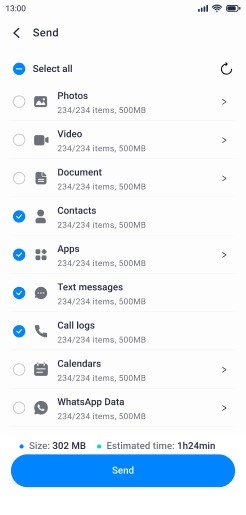
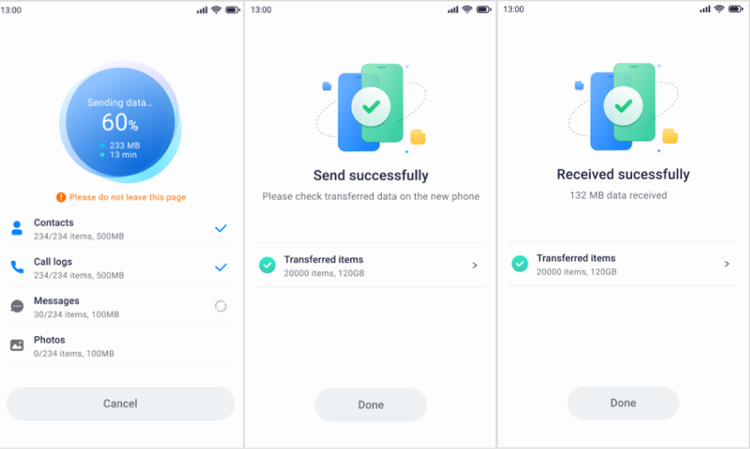
Step 4: The process is to be completed within seconds.
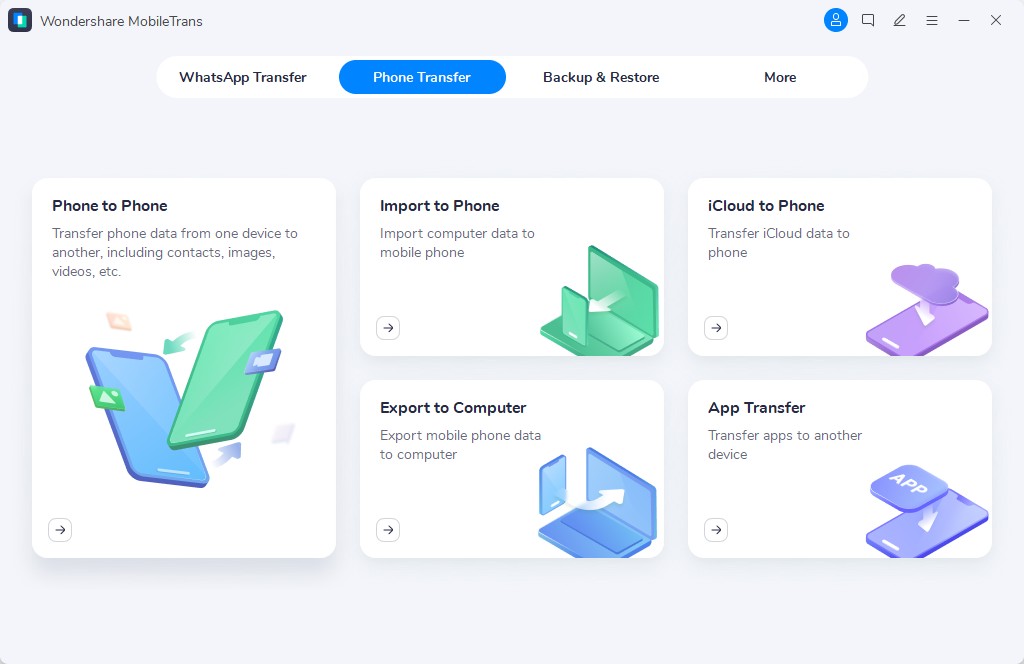
If you want to use the PC version, you can download MobileTrans on your PC and choose the phone transfer feature.
Method 2: How to Transfer Photos from Android to Android via Bluetooth
Bluetooth is a common and convenient method for transferring photos. This method is especially useful for quick and small transfers, as it doesn’t require any cables or additional software. It is built into all Android devices, making it accessible and easy to use.
With Bluetooth, you can quickly share photos with nearby devices without the need for an internet connection, making it ideal for on-the-go transfers.
Steps:
- Turn on Bluetooth on both Android devices. Pair the devices by searching for available devices and selecting the correct one. On the source device, select the photos you wish to transfer.

- Choose the “Share via Bluetooth” option. Accept the transfer on the receiving device to complete the process.

Method 3: Transfer Photos Using Nearby Share (Replaces Android Beam)
Previously, Android Beam was a popular option, but it has been discontinued in modern Android versions. It has been replaced by the more powerful and versatile Nearby Share. Here’s how to use it:
Nearby Share is Google's answer to Apple's AirDrop, allowing you to quickly and easily transfer files between Android devices. It uses Bluetooth and Wi-Fi Direct to enable fast and secure transfers, even offline.
Steps:
- Enable Nearby Share on both devices. Go to Settings > Google > Device Connections > Nearby Share and turn it on.

- Select the photos you want to transfer on the source device. Tap the Share icon and choose Nearby Share from the options.
- The receiving device will appear in the list. Tap the device name to start the transfer.

- On the receiving device, accept the incoming transfer. The photos will be saved to your device.
Method 4: Transfer Photos from Android to Android Using the Google Photos App
Google Photos is a cloud-based solution that not only backs up your photos but also makes it easy to transfer them between devices. This method is ideal for those who want a hassle-free way to ensure their photos are safe and easily accessible from any device.
Google Photos allows you to back up your photos to the cloud and easily restore them on a new device. This seamless experience is particularly useful for those who frequently switch devices or want a reliable backup of their photos stored in the cloud.
Steps:
- Install the Google Photos app on both Android devices. Sign in to your Google account on both devices. Backup the photos on the old device by enabling photo backup in the Google Photos app.

- On the new device, open Google Photos and sign in with the same Google account. Download the backed-up photos to the new device.
Method 5: Transfer Photos from Android to Android by Smart Switch
Samsung Smart Switch is a free data transfer tool developed by Samsung. It allows you to move photos, videos, contacts, messages, apps, and more from one Android device to another — especially convenient when switching to a new Samsung phone.
Requirements:
- Both devices must have Smart Switch installed.
- Wi-Fi or a USB cable (optional, for wired transfer).
Steps to Use Wireless Transfer by Smart Switch:
- Install Smart Switch on both Android phones from the Google Play Store (if not pre-installed).
- Open Smart Switch on both devices.
- On the new phone, select Receive data → Wireless → Android.
- On the old phone, select Send data → Wireless.
- The devices will connect; confirm the connection.
- Choose Photos (and other data if needed) to transfer.
- Tap Transfer and wait for the process to complete.
Steps to Use Cable Transfer by Smart Switch:
- Connect both phones with a USB-C cable and adapter (if needed).
- Open Smart Switch and select Send/Receive data accordingly.
- Choose Photos and start the transfer
Method 6: Transfer Photos from Android to Android Using Quick Share
Quick Share is a fast and secure file-sharing feature developed by Samsung for Galaxy devices. It lets users share photos, videos, and other files wirelessly with nearby Samsung phones using Wi-Fi Direct and Bluetooth — no internet needed.
Requirements:
- Both devices must support Quick Share (Samsung Galaxy phones, Android 10 or later).
- Bluetooth and Wi-Fi must be enabled on both devices.
- On the sending phone, open the Gallery app. Select the photos you want to share.
- Tap the Share icon. Choose Quick Share from the sharing options.
- The phone will scan for nearby Samsung devices with Quick Share enabled.
- Select the receiving phone from the list.
- On the receiving phone, tap Accept when the prompt appears.
- Wait for the transfer to complete.
Pro Tips to Transfer Photos from Android to Android

Transferring photos between Android devices can be smooth and hassle-free with the right approach. Here are some pro tips to ensure a successful photo transfer:
Back-Up Your Photos: Before starting the transfer process, always back up your photos. This ensures that you have a copy of your precious memories in case something goes wrong during the transfer. You can back up photos to cloud storage services like Google Photos or an external hard drive.
Choose the Right Method: Depending on your needs and resources, select the transfer method that best suits your situation. For instance, if you have a large number of photos and prefer a wired connection, MobileTrans is a great option. If you want a wireless transfer without using the internet, Bluetooth or Android Beam might be more convenient.
Check Storage Space: Ensure that your new Android device has enough storage space to accommodate all the photos you are transferring. This prevents any issues during the transfer process and ensures that you don't run out of space.
Use High-Quality Cables: If you're using a method that involves connecting your devices to a computer, such as MobileTrans, make sure to use high-quality USB cables. Low-quality cables can result in slower transfer speeds or connection issues.
Maintain Stable Internet Connection: If you're using a cloud-based method like Google Photos, ensure that you have a stable internet connection. This will help in smoothly uploading and downloading photos without interruptions.
Organize Photos: Before transferring, take some time to organize your photos into folders. This makes it easier to locate specific photos on your new device and keeps your photo library tidy.
Update Software: Ensure that both your Android devices are running the latest software updates. Updated software can prevent compatibility issues and enhance the overall transfer process.
By following these pro tips, you can transfer photos from Android to Android efficiently and securely.
Common Problems & Quick Fixes
- Problem: Bluetooth transfer is too slow or fails.
Fix: Bluetooth is not ideal for large files. For more than 20 photos, switch to Wi-Fi Direct methods like Nearby Share or use a PC-based tool. - Problem: My new phone doesn't have enough storage.
Fix: Before transferring, use a file cleaner app or manually delete unnecessary files on the new device. Alternatively, back up old photos to a cloud service first.
Conclusion
In summary, for a fast, comprehensive transfer of your entire photo gallery, especially when setting up a new phone, MobileTrans offers the most reliable solution. For quick wireless sharing of a few pictures with a friend, Nearby Share is your best bet. Choose the method that fits your needs.



FAQs
-
Is the "Last Seen" status always accurate?
The "Last Seen" status aims to provide an accurate representation of a user's online activity, but it may not always be precise due to factors like network connectivity, app updates, or server-side issues. -
Can I hide my "Last Seen" status from specific contacts on WhatsApp?
Yes, WhatsApp allows you to customize your "Last Seen" privacy settings. You can choose to hide your "Last Seen" status from specific contacts, or all contacts, or display it to everyone. -
Does turning off the "Last Seen" status prevent others from knowing when I've read their messages?
No, disabling the "Last Seen" status does not prevent others from seeing the blue check marks that indicate when you've read their messages. It only hides your online activity and the last time you were actively using WhatsApp.